Editorial: Eagle shows Greenport its past — and its future
For a few glorious days last weekend, Greenport looked like Greenport ought to look.
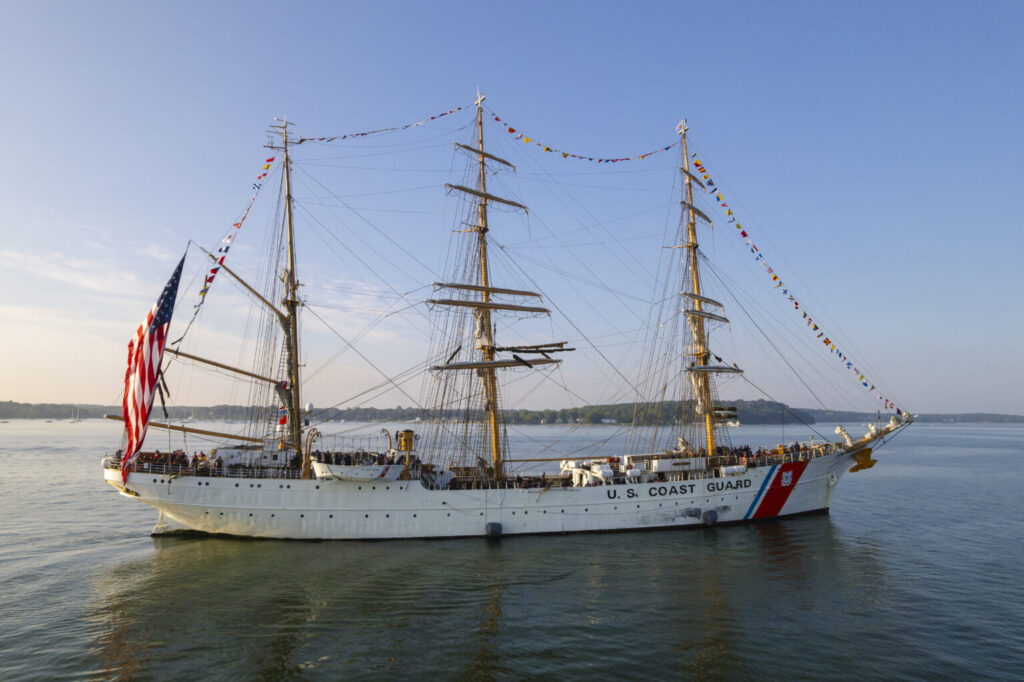
Blue skies and warm breezes greeted families crowding into Mitchell Park and the docks to crane their necks toward the rigging of the U.S. Coast Guard Barque Eagle.
At East Pier sat the 295-foot, three-masted vessel, looking less like a visiting attraction than something that had simply come home.
Greenport has spent the better part of two centuries making its living from the water. Ships were built here. Fishing boats unloaded here. Oysters, ferries, boatyards and marine trades shaped the village long before boutiques, tasting rooms and weekend getaways entered the vocabulary. The waterfront was not scenery. It was the workplace.
Today, Greenport is a different place. Tourism and second-home ownership play an increasingly important role in the village economy.
There is no stuffing that genie back into the bottle. Nor should anyone want to.
What Greenport showed this weekend is that the choice does not have to be between the old village and the new one.
The Eagle gave people a reason to come downtown and experience the very maritime history that helped make Greenport worth visiting in the first place. But this was not merely a show put on for tourists. Plenty of locals turned out, too.
Children walked the decks of a working Coast Guard training ship. Families stood beneath masts rising high above the harbor. Coast Guard sailors mixed with residents on village streets. Sea shanties filled the North Fork Arts Center. Hundreds gathered at Mitchell Park for a picnic celebrating the park’s 25th anniversary and raising money to bring back its ice rink.
There is something wonderfully Greenport about all of that. It is not manufactured charm. It is a village remembering what it is. And those moments matter.
Greenport’s maritime heritage will survive only if another generation feels some connection to it. A child climbing aboard the Eagle this weekend may never build a wooden ship or work a commercial fishing boat. But that child might join the Coast Guard. Become a marine mechanic. Learn to sail. Work aboard a ferry. Or simply grow up understanding why the working waterfront is worth preserving.
That connection becomes especially important as the North Fork’s economy changes.
Greenport Yacht & Shipbuilding Co., which dates to 1840, is poised for a change in ownership as Suffolk County considers buying development rights intended to keep much of the property in maritime use. It is exactly the sort of place Greenport could easily lose if waterfront property becomes valuable only for what can be built atop it.
A brass anchor hanging outside a restaurant is not a working waterfront. Neither is a nautical logo on a T-shirt.
Greenport still needs boatyards, ferries, marinas and people who make their living with saltwater under their boots.
But tourism does not have to be the enemy of that heritage. Done right, it can help preserve it. The Eagle weekend offered the blueprint.
There will always be arguments here over parking, crowds, development and whether Greenport is becoming a little too popular for its own good. Those are fair debates.
But nobody standing beneath the Eagle’s towering masts this weekend could seriously argue that tourism and maritime heritage must be enemies.
For one picture-perfect August weekend, Greenport showed just how naturally the two can share the same harbor.