North Fork oyster farms walloped by severe winter freeze: ‘Lost major chunk of our inventory’
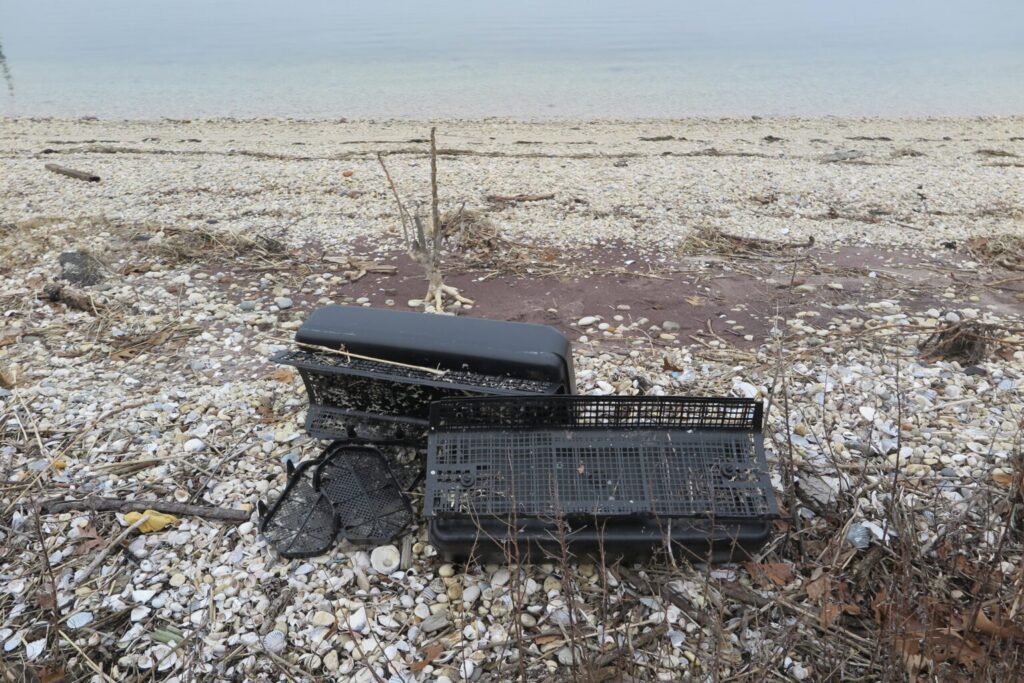
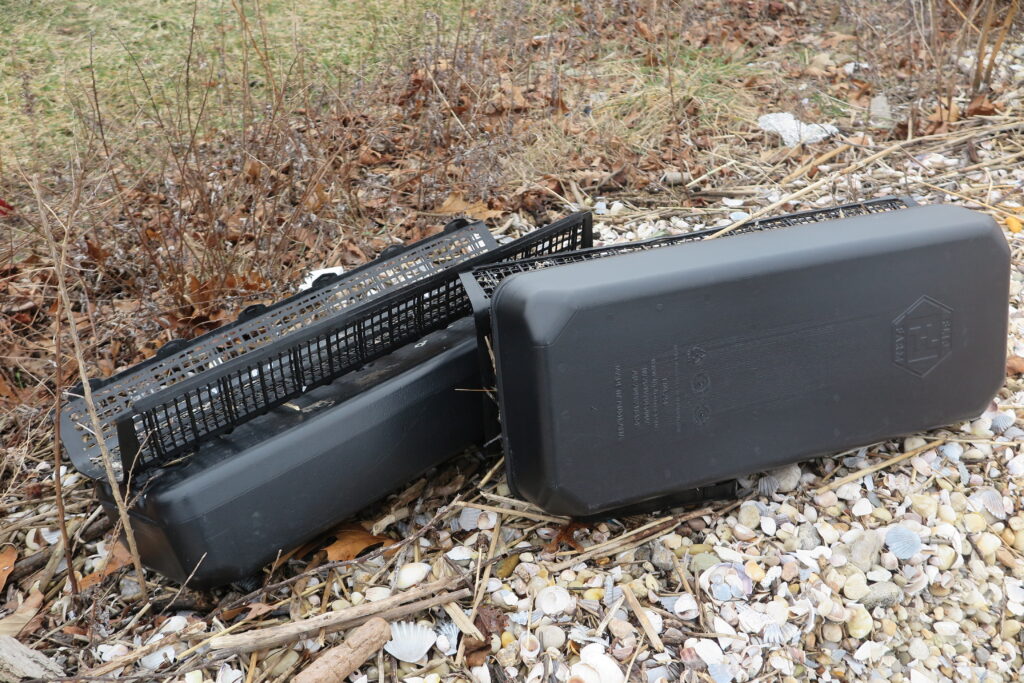
The cold waters of the Peconic Bay account for the exquisite flavors of local oysters. But this winter, the prolonged cold spell froze the bay into a destructive ice pack that tore docks apart, moved navigation buoys across the bay and ripped out the anchors of fishing gear — especially surface-style oyster farming equipment — sending the gear adrift.
The resulting damage poses a serious threat to the supply of locally grown oysters — which tourists love to slurp — not just for this summer, but likely for the next two years, experts said.
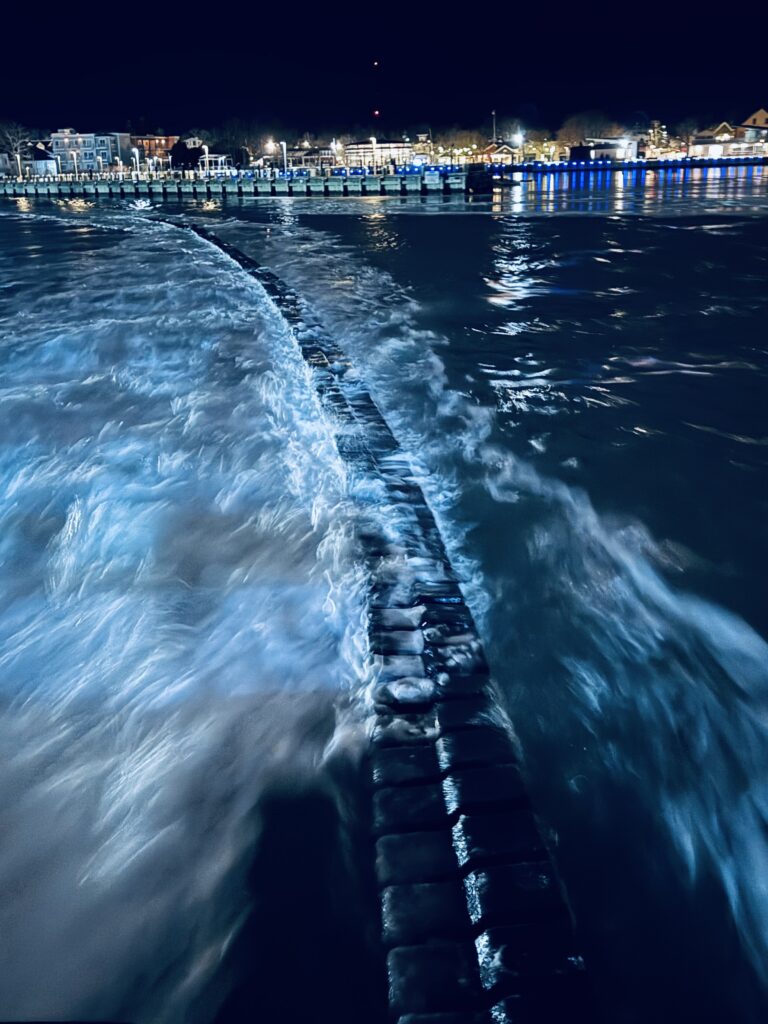
During a North Ferry run to Shelter Island from Greenport on a frigid, dark morning last month, Capt. Jeffrey Gibbs detected a problem.
The vessel, named the Menantic, had run across something big in the bay and, as the ferry maneuvered into its slip, another captain looked over and said, “Hey, you’re dragging oyster pots.”
“We usually cross at six knots, and we couldn’t go over three and a half,” Capt. Gibbs recalled during an interview with the Riverhead News-Review’s sister publication, the Shelter Island Reporter.
Preliminary estimates from the Long Island Oyster Growers Association suggest overall inventory losses of at least 30%, not including the cost of repairing or replacing gear.
Oyster farming — like all farming and fishing work — is not for the faint of heart, and the ice pack that formed in the creeks and bays this winter was an existential threat to a growing local industry, especially to the floating style of farming that efficiently produces the small, clean, deep-cupped oysters that consumers love.
Peeko Oysters, whose harvest is served at many top restaurants in Manhattan, was transitioning this year from the traditional labor-intensive use of cages sunk several feet below the surface to an innovative floating technology called flipfarming.
“We lost a major chunk of our inventory. Every line we had out in the bay was either dislodged or damaged,” said Peeko owner Peter Stein, who has operated out of New Suffolk since 2017.
Growers say the hardest-hit farms will struggle to supply their customers, and inventory will be tight for years, since seed oysters take two or three years to reach market size.
Even farms that use sunken gear in deep water were not safe from the ice. Stefanie Bassett of Little Ram Oysters, a 20-acre farm in the middle of Gardiners Bay, said they packed their most vulnerable, hibernating oysters into crates that they brought into the marina for winter protection.
“The marina froze all the way to the bottom and killed our baby oysters,” Ms. Bassett said. “The oysters that we lost were two and three years of our income. To rebuild that is going to be tough.”
Little Ram started a fund hosted on its website to help the business recover.
Mr. Stein plans to repair, rebuild and continue to work with the flipfarm technology, including testing new features so growers can sink the farm during hurricanes, nor’easters and ice events to protect the gear and the oysters.
“I am committed to rebuilding what we have, because it’s the only way that I see forward,” he said. “I don’t plan any change in practices.”
Peeko currently employs 10 people, and Mr. Stein has no plans to cut staff, despite the disaster.
“I know that a large percentage of the farm has been wiped out, but I’m not ready to lay anybody off,” he said. “I have many people who make their living through the business that I own. I don’t take that lightly.”
Crop insurance is available for oyster farmers through private insurers and the U.S. Department of Agriculture, but some operations decide to self-insure due to the high costs.
Some help for growers may come from taxpayers. A line item in the New York state budget for Agriculture and Markets that was lobbied for by the Long Island Farm Bureau and signed by Gov. Kathy Hochul two years ago is starting to disburse $5 million in grants for gear and operations to Long Island aquaculture farmers.
The money, which was not earmarked for disaster relief, is coming at a good time, but farmers didn’t know how much gear they would lose to ice when they applied.
The financial relief won’t be nearly enough, according to Ms. Bassett, who worked with the Long Island Farm Bureau to lobby for it.
On March 2, Congressman Nick LaLota (R-Amityville) wrote a letter to the National Oceanic and Atmospheric Administration asking the federal agency to help Long Island’s oyster farmers recover from the severe damage caused by this harsh winter.
Although almost every oyster farm saw some damage from the ice, not every farmer suffered expensive losses.
Matt Ketcham of Peconic Gold Oysters said he sank his oyster cages in the bay to shield them from ice, removed all his buoys and even took his boat out of the water to protect it. Still, he was able to keep harvesting every week or so, with ice scraping the bottom of the bay at 10 to 12 feet.
“I shoveled the town ramp out by hand, and sledgehammered ice out of the way to get my boat out,” Mr. Ketcham said. “I knew the best thing I could do was keep harvesting and pull stuff out every time I went out. Since I took all my buoys out, I used GPS to find my stuff and pull it up. If you left anything on the surface, especially with the forecast we had, you were rolling the dice.”
North Ferry general manager Bridg Hunt said the Menantic had to be taken out of service and is now in Rhode Island having the propeller and shaft repaired.
“Incidents like this are quite unusual,” Mr. Hunt said. “The idea is not to hit things, but this was black, floating low in the water, and it was dark.”