Guest Column: PBMC already built a stroke solution
I have spent nearly a decade practicing interventional cardiology in Eastern Suffolk County. Before that, the better part of my career was at some of the country’s most respected cardiac programs. When I came to Peconic Bay Medical Center, I came with a singular purpose: to bring world-class cardiac care to a quarter-million people who had been going without it for too long.
In 2017, PBMC opened its cardiac catheterization laboratory, the region’s only interventional cardiac cath lab, housed initially in one of our operating suites before moving to its permanent home in the Kanas Regional Heart Center. For years before that, East End residents having a heart attack faced a terrible reality. The nearest cath lab was more than 30 miles west. Minutes matter in a heart attack; every minute of delay can mean the loss of heart muscle that will never regenerate.
When we opened that lab, the skeptics asked whether a community hospital on eastern Long Island could really sustain a high-quality interventional cardiac program. The answer came swiftly, and it has never let up. By 2023, our cath lab was ranked among the top 100 in the entire country — out of more than 1,700 nationwide. We have received Healthgrades’ Five-Star recognition for the treatment of heart attack for multiple consecutive years. We earned the 2026 Coronary Intervention Excellence Award from Healthgrades. And perhaps most importantly, we have treated thousands of Eastern Suffolk patients who, just a few years earlier, would have been transported by ambulance and driven west, losing precious time with every mile.
I tell you this history not to boast, but because it is a direct parallel to what PBMC is now doing with stroke care, and why a proposed mobile stroke unit stationed adjacent to our hospital misunderstands both the medicine and the moment.
Stroke, like heart attack, is a time-critical emergency. The phrase in our field is “time is brain” — because nearly two million brain cells are lost every minute during an untreated stroke. For years, Eastern Suffolk patients suffering from the most severe type of stroke, a large vessel occlusion requiring mechanical thrombectomy, faced the same crisis our cardiac patients once did. The nearest capable hospital was Stony Brook University Hospital or South Shore University Hospital in Bay Shore, 27 to 37 miles away.
PBMC recognized this gap, just as we did the cardiac gap years before. The hospital invested in recruiting interventional neurologist Dr. Richard Jung, assembled a specialized team and, with the transformative philanthropic support of Bill and Ruth Ann Harnisch, built the $7.3 million Bill and Ruth Ann Harnisch Neurosciences Center. This is now the only facility on eastern Long Island capable of performing cerebral mechanical thrombectomy. That is not a small thing. That is the same category of breakthrough that the cath lab represented for cardiac care.
And just as our cardiac program was not built in isolation, neither is this neurosciences center. PBMC has already earned the American Heart Association’s 2025 “Get With the Guidelines — Stroke Gold Plus Award,” with additional recognition on the Target: Stroke Honor Roll Elite. We treat approximately 1,000 stroke patients each year. We have two cranial neurosurgeons joining our staff this summer. We are building something truly comprehensive for our community.
So when a proposal arrives before the Zoning Board of Appeals to place a mobile stroke unit in a shopping center parking lot directly adjacent to a hospital that has just opened the region’s only thrombectomy-capable stroke center, the clinical question must be asked plainly. Why?
Mobile stroke units, specialized ambulances equipped with CT scanners, were designed to serve a specific purpose: closing the gap in communities where the nearest advanced stroke center is far away, or where dense urban populations create complex triage decisions. They made sense for eastern Suffolk County before PBMC built its neurosciences center. They do not make sense now, stationed in a shopping center across from the very hospital that has eliminated the gap they were meant to address.
Placing a mobile unit adjacent to a thrombectomy-capable hospital creates the potential for workflow duplication, confusion in triage decisions and delays where there need not be any. The direct path to our door is the fastest path to the care that saves lives.
I have seen this story before. When PBMC built its cath lab, some questioned the need. The community proved the need, and the care we delivered proved the value. Now, PBMC has done the same thing for stroke. We built it because our community needed it. We built it here, because this is where the people who need it are. The Zoning Board should recognize that the gap this mobile unit was meant to fill no longer exists, and ask whether a shopping center ambulance garage is the right answer to a question that has already been answered.
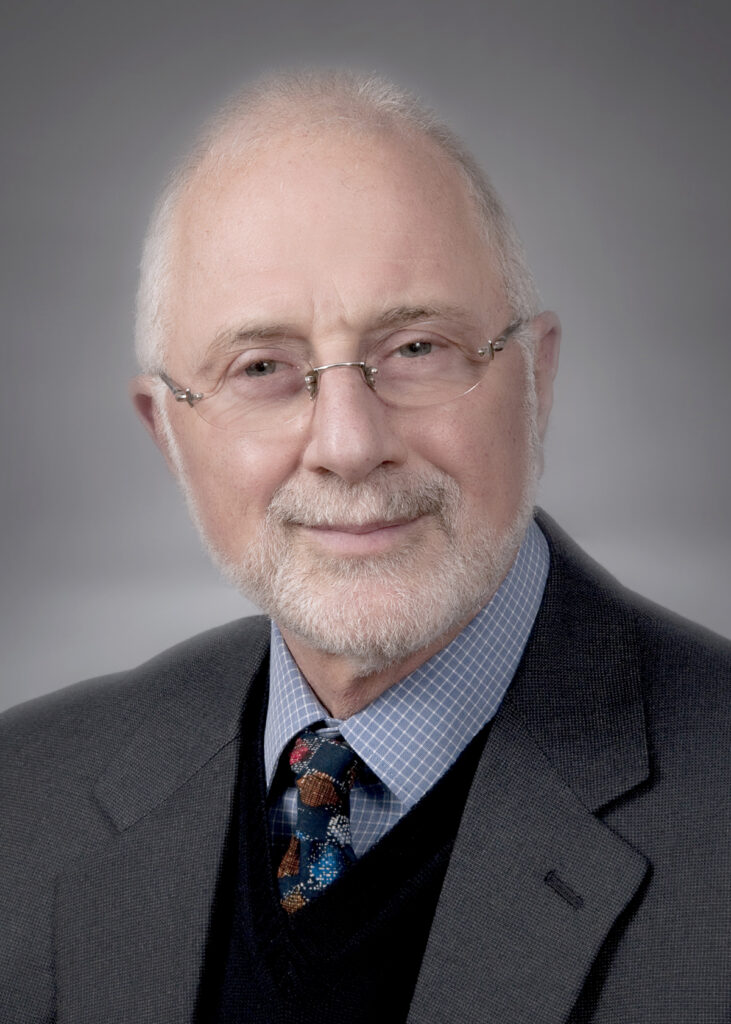
Dr. Katz is the chairman of interventional cardiology at Peconic Bay Medical Center in Riverhead.