Rothwell pitches business approach to town government in supervisor run
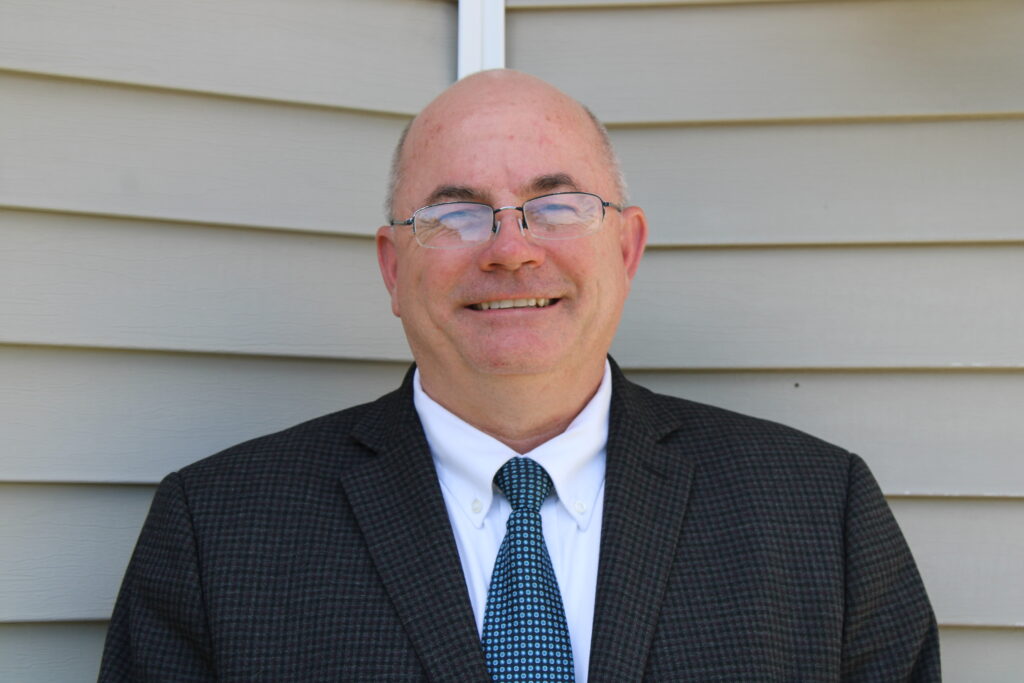
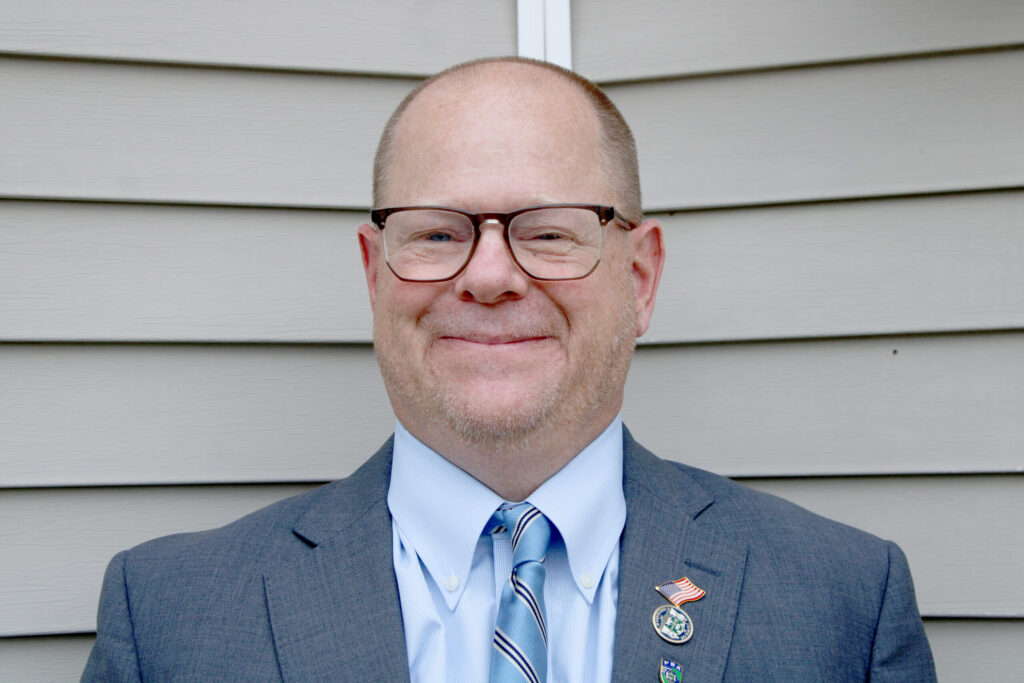
The Times Review editorial board sat down with Riverhead Town Councilman Kenneth Rothwell ahead of the Nov. 3 election to discuss his campaign, his run for town supervisor and a variety of Riverhead issues. Mr. Rothwell was elected to a second term as a town councilman in 2025. If he wins the supervisor seat, he and the Town Board would appoint a replacement council member to serve a one-year term. That appointee would then run for a full four-year term in a special election in 2027. If Mr. Rothwell loses the supervisor race, he will remain a councilman for two more years.
Councilman Kenneth Rothwell believes Riverhead needs a leader with a business mindset who is willing to invest in town services and see projects through.
That philosophy is at the center of the two-term Republican councilman’s campaign for Riverhead Town supervisor this November. His priorities include keeping taxes down, improving the town’s internal technology, revitalizing downtown Riverhead and planning for future development at EPCAL in Calverton.
“We need to continue down a common road of business experience,” said Mr. Rothwell, who was elected to the Riverhead Town Board in 2021. “I’m taking a business approach on things, and that sometimes you have to invest in the town, invest in departments, to get those returns.”
Mr. Rothwell said the supervisor has a central role in shaping the town’s budget and overseeing its departments, and he pointed to persistent technological and efficiency problems in the building and planning departments as areas he wants to address.
He and other board members are looking to invest roughly $1.2 million in digitization after the town added $4.9 million to its fund balance last year, he said. The goal is to simplify antiquated processes and eventually give developers, real estate brokers, architects, planners and others online access to town information, which Mr. Rothwell said could also generate revenue.
“It’s going to pay itself off in three to four years, and we’re going to get that money back,” Mr. Rothwell said.
The interview took place before Supervisor Jerry Halpin presented his tentative 2027 budget, but Mr. Rothwell said he planned to review the spending plan carefully and wants to keep taxes down without exceeding the tax cap.
He described the town he encountered after taking office in 2022 as understaffed and dealing with aging infrastructure after some replacements had been delayed during the COVID pandemic.
“I felt like when I arrived on the scene five years ago, that it was like purchasing a dilapidated home,” Mr. Rothwell said. “Everything was broken, it was understaffed, infrastructure, water, sewer, our police department was understaffed, and there were just so many things to tackle.”
Since then, Mr. Rothwell said, the town has invested in increasing police staffing to more than 100 officers, upgrading vehicles and equipment, revising CSEA worker contracts and building a new Town Hall. He also said the Town Board has secured up to $68 million in grant funding over the last five years, helping move projects forward without putting the full cost on local taxpayers.
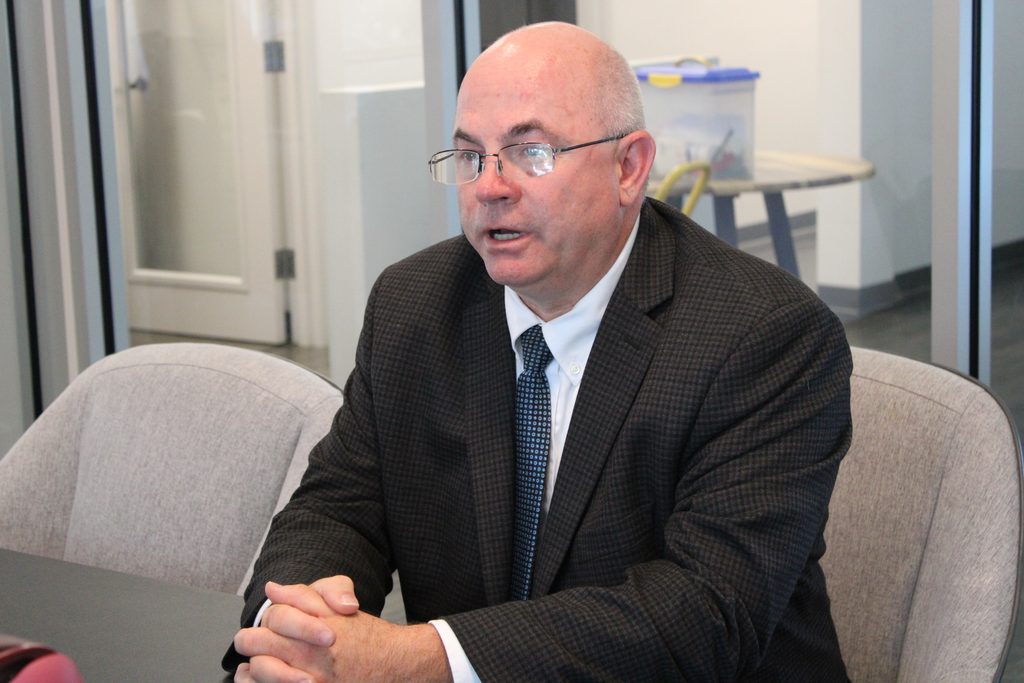
As a volunteer firefighter with the Wading River Fire Department for over 20 years, Mr. Rothwell prioritizes supporting first responders and their needs to handle emergencies.
He has been heavily involved in helping secure donations for the Riverhead Volunteer Ambulance Corps‘ new headquarters on Osborn Avenue. Since the donation committee was formed, roughly $6.5 million has been raised for the project, he said. He also worked with RVAC on a medical billing system intended to help pay off the remainder of the bond for the project.
Development at EPCAL is another major priority.
Mr. Rothwell said he wants the Calverton property to attract high-tech, high-paying jobs while balancing development with recreational uses for residents. With the latest major hurdle in the CAT litigation cleared, he said town officials can engage with Cushman & Wakefield, the real estate firm hired by the town to market the EPCAL property, about its future.
He said public-private partnerships could help accomplish both goals. As one example, he suggested that a private sports complex operator could build and manage facilities while the town negotiates recreational access for residents at no cost.
“It’s the private government and private industry partnerships that makes you successful,” Mr. Rothwell said. “We can’t ink a deal right now because of the ongoing litigation, but you don’t sit on it and you don’t wait and go, when the litigation is all done, then we’ll think about this — we are being proactive.”
Downtown, Mr. Rothwell said he wants the town-owned 111 East Main St. building to become a family-oriented destination that serves as an activation point for Town Square rather than housing apartments.
Among the possibilities he mentioned were a Crayola-style attraction or a Ripley’s Believe It or Not museum, part of what he sees as a broader effort to draw visitors downtown.
Mr. Rothwell also acknowledged the town’s costly, long-running legal disputes, which he said “need to come to an end.”
He specifically discussed the $35 million North Fork water pipeline dispute with the Suffolk County Water Authority. When determining whether a legal battle is justified, Mr. Rothwell said he considers whether it involves quality of life and what financial impact it could have on the town.
He supports continuing the town’s litigation over cannabis regulations, for example, arguing that local control is a quality-of-life issue.
“If we just stand down and allow the [NYS] Office of Cannabis Management to kind of railroad us and say no longer does time, place, and manner mean anything, cannabis should be sold on every corner — that’s a quality of life issue, and we have to fight that fight,” Mr. Rothwell said.
Tax litigation is another concern. Mr. Rothwell said officials have explored whether any resulting tax impact could be spread over three years rather than charged all at once.
“The reality is Riverhead needs a new townwide assessment, but no one takes the bold steps to do that,” Mr. Rothwell said. “Some taxpayers may be hurt by a reassessment, and some may be greatly favored by a reassessment, but we have a lot of great development like on Route 58, and it’s really not a balanced assessment wise in the town.”
Mr. Rothwell also addressed OLA of Eastern Long Island’s proposed public safety legislation. He said he has read the proposal several times and criticized the organization for creating what he called a “false narrative” that is unclear and fuels fear.
He argued that many of OLA’s concerns have already been addressed at the state level and said public notification of ICE operations could create safety concerns.
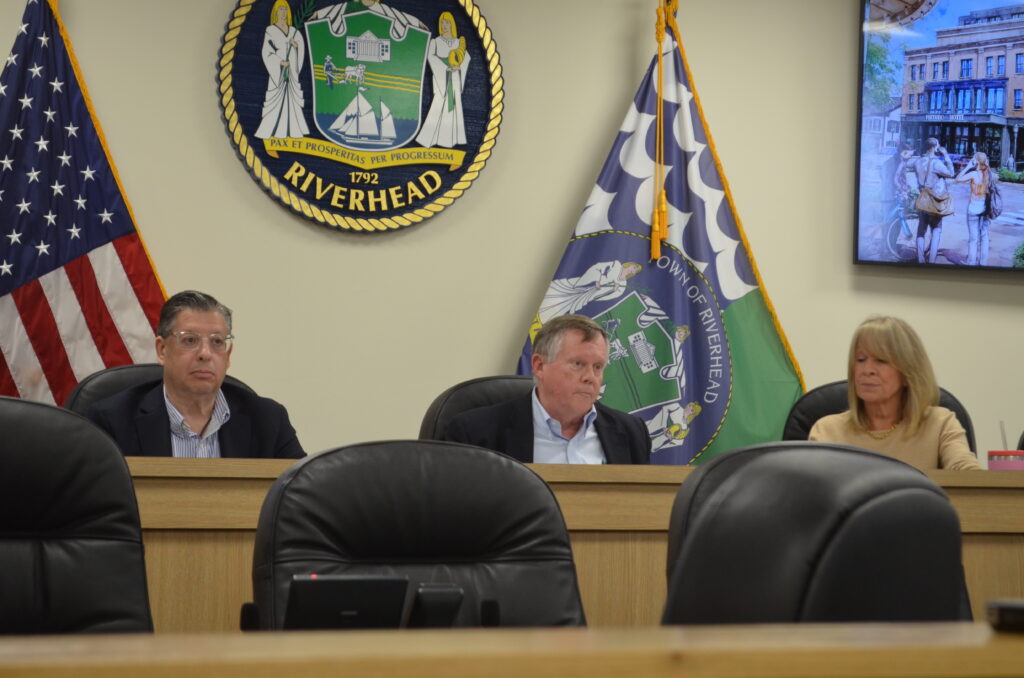
However, he said “there are no topics that are off limits” at the public Town Board work sessions. The supervisor is in charge of setting the agendas for those meetings, and if OLA were to come to the table, Mr. Rothwell is open to listening.
That fits into what Mr. Rothwell described as a broader need to improve communication among the supervisor, Town Board and residents.
He claimed Mr. Halpin has “closed the door” on board members and said he would take a more collaborative approach as supervisor.
“I don’t want to speak negatively about anybody, but it’s a different way of doing business as opposed to having an open door where anybody can come and express continued concerns,” Mr. Rothwell said. “There’s not a collaborative effort that there should be, and so sometimes the town board is forced to pursue different opportunities and projects, and sometimes we’re pursuing it without the supervisor’s lead or participation — it shouldn’t be that way.”