Editorial: The future of farming in Riverhead is being tested

As the East End shakes off one of its most brutal winters, the rolling fields and churning waters come back to life — a reminder of what still defines this place, and what could be lost.
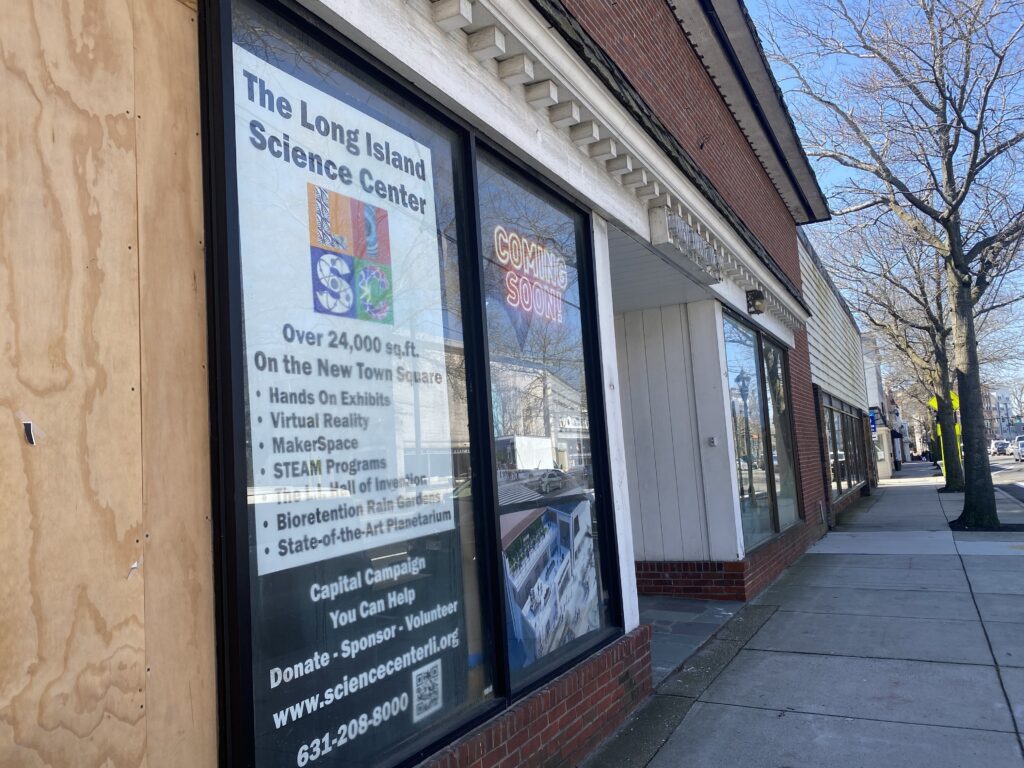
Lately, the focus has been on EPCAL. Or the proposed Town Square. Or the revival of the historic Vail-Leavitt Music Hall.
These projects promise momentum — the building blocks of Riverhead’s evolution. But that future must also include the region’s agricultural base, which remains a defining part of both its economy and identity.
Unlike a theater or an industrial site, farmland is a long-term asset. It requires consistency, investment and, above all, space. That’s where recent developments offer both opportunity and perspective.
A fourth-generation farmer and longtime Wickham’s Fruit Farm employee is now leading the Long Island Farm Bureau, bringing a ground-level understanding of the challenges facing growers today. The organization is preparing to honor leaders in farmland preservation and planning — a recognition that agriculture here endures because people continue to advocate for it.
The sound of tractors working the fields and boats heading out on the water is again joining the cacophony of bulldozers. Signs for open farm stands are popping up along Sound Avenue.
This week, New York State announced $1.7 million in grants for beginning farmers, aimed at helping them start or expand operations.
That matters. Because one of the biggest challenges facing agriculture on the East End isn’t interest — it’s access.
New farmers are ready to step in. Programs exist to support them. But those opportunities only work if there is land available to farm and a long-term vision that keeps it in production.
As Long Island Farm Bureau president Laurie McBride said: “We’re not making any more ag land; any land not in production is typically going into housing developments, or even open space, which is taking it out of our food production cycle.”
That’s not a warning so much as a reality to plan around. Riverhead is not just another downtown in need of revitalization. It is the western gateway to the North Fork, where agriculture remains central to the region’s appeal and economy. Farms here support tourism, local businesses and a way of life that continues to draw people east.
At the same time, change is necessary. The challenge — and the opportunity — is making sure those efforts move forward alongside a strong commitment to agriculture.
That means recognizing farmland not as vacant space waiting for its next use, but as a working resource with long-term value. It means supporting policies that keep land in production and make it accessible to the next generation. And it means viewing programs like the state’s beginning farmer grants not as stand-alone initiatives, but as part of a broader strategy.
Growth and preservation are not mutually exclusive.