Editorial: Father’s Day
We have a friend who told us a story about his father. He and his younger brother were never embraced by him, although his sisters were always hugged. The boys got firm handshakes on greeting and saying goodbye.
But then the younger son, after reconciling a disagreement with his father, quickly embraced him. When our friend came home, his father threw his arms around him and gripped him tenderly. He went to his younger brother later and said, “What did you do to the old man? He can’t keep his arms off me.”
Many families have, over a couple of generations, seen a sea change in how masculinity is defined. The changes in the way fathers have taken active roles in raising children — not all fathers, but many, compared to not so long ago — have increased families’ emotional well-being. The change in attitude is also a boon to the men, bringing them closer to their children.
Old ways of living die hard, however. The Oxford Dictionary last year reported that one of the most looked-up words was “toxic,” and one of the words most associated with toxic, according to the dictionary, was “masculinity.” We see the last gasps of this idea of man-as-caveman, for example, in leaders who strut around, doing everything short of pounding their chests to prove they’re strong. They have no idea how blatantly they’re advertising their insecurities.
But the words of Bob Dylan still apply to men who sense times are changing: “Please heed the call/ Don’t stand in the doorway/ Don’t block up the hall/ For he who gets hurt/ Will be he who has stalled …”
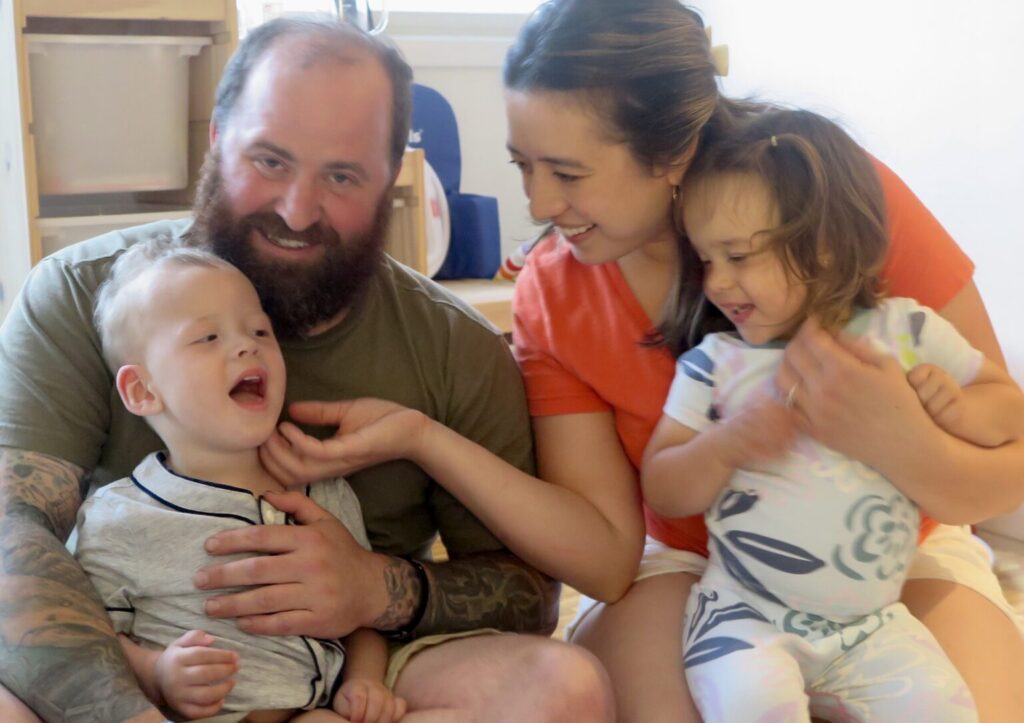
Sunday we’ll celebrate the men who know that the role of father is their most consequential duty, who provide encouragement and support to their children by setting good examples, who help them when they stumble or fall, and show them love every day.
Happy Father’s Day.