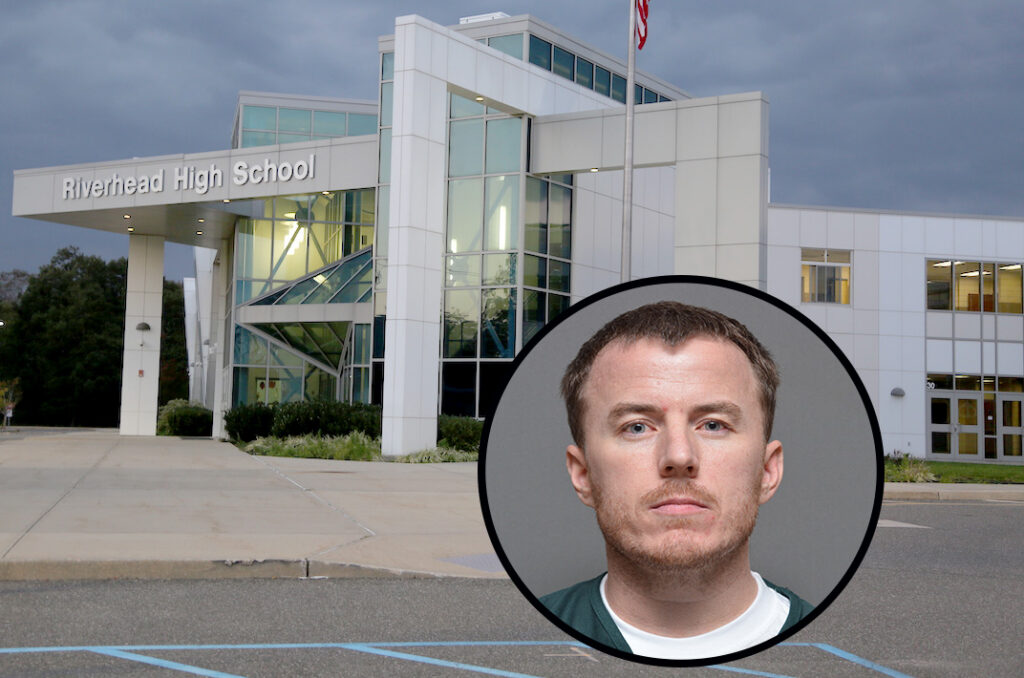
Six cold-stunned turtles to return to ocean following Riverhead rehab stint
Six rehabilitated sea turtles will make the sandy trek from Tiana Beach in Hampton Bays to the Atlantic Ocean on Tuesday evening after months of specialized care and rehabilitation at the New York Marine Rescue Center in Riverhead.
The cold-stunned sea turtles were rescued from Long Island shores last year during the cold-stunning season, including
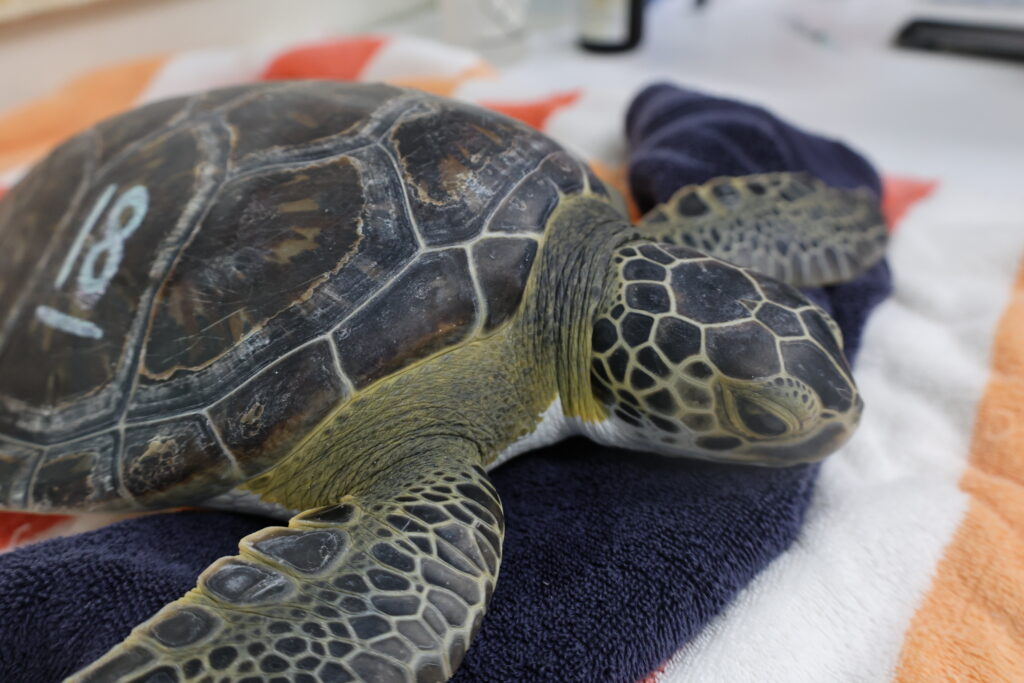
Peridot, a green sea turtle found near 67 Steps Beach in Greenport on Nov. 18. They will be released at 6 p.m.
Peridot and two other turtles — Emerald and Amethyst — will be fitted with satellite transmitters before release, as part of the rescue center’s partnership with the state Department of Environmental Conservation, to help researchers better understand post-release movements and habitat use.
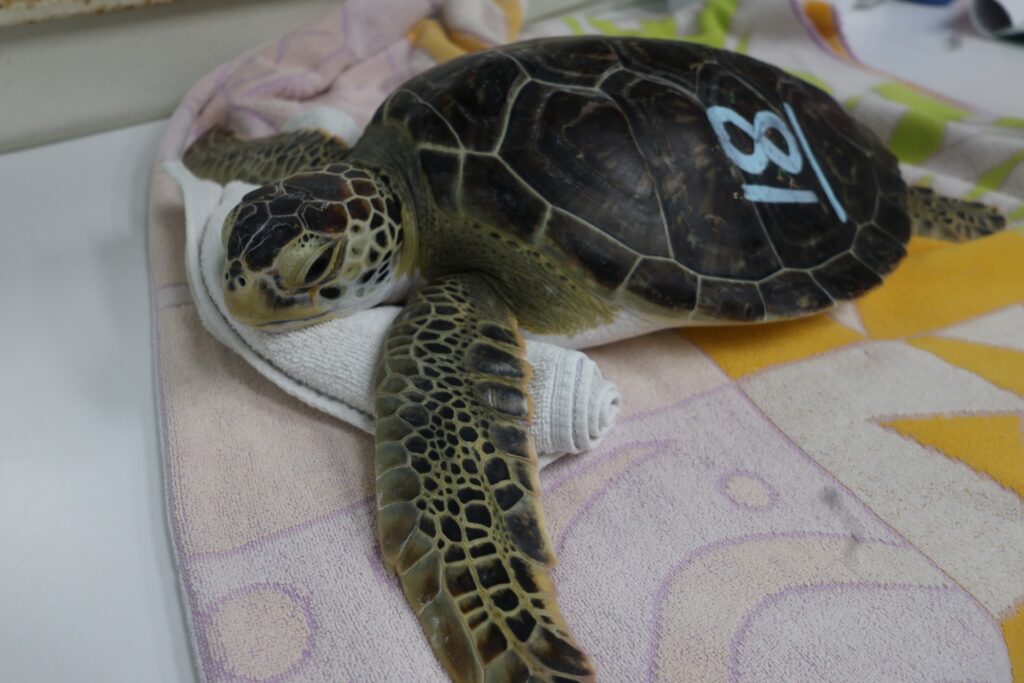
Another of the turtles is Arugula, who was originally rescued in December 2024 at Navy Beach in Montauk. Arugula was rehabilitated and released before re-stranding nearly a year later after another cold-stunning event in Port Jefferson Harbor along the ferry dock. Captain Steve Schmitt slowed his ship, the Grand Republic, to guide Arugula towards the dock where the dock supervisor, Walter Rossler, was able to help.
Following a second successful rehabilitation, Arugula is once again ready for release.
“Arugula’s journey is a remarkable example of how collaboration and compassion can make all the difference for wildlife in need,” Executive Director Maxine Montello said. “We are incredibly thankful to Captain Steve Schmitt, the crew of the Grand Republic, and dock supervisor Walter Rossler for their quick thinking and willingness to help. Their support gave Arugula the chance to be rescued, rehabilitated, and ultimately return to the ocean once again.
“We are so grateful to the Port Jefferson Ferry for being such an important partner in this rescue.”
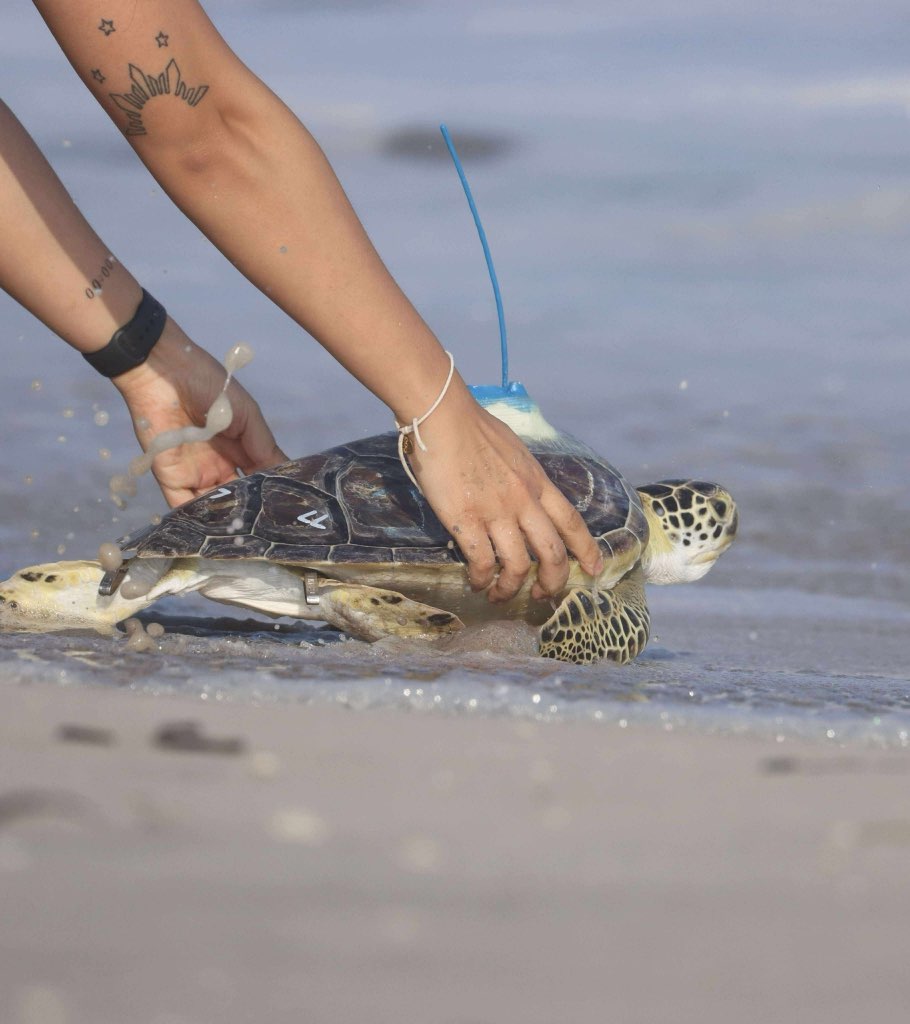
The rescue center released eight turtles on July 29, including four critically endangered Kemp’s ridleys and four Atlantic green sea turtles, all of which washed ashore after becoming cold-stunned in waters off New York during the winter.
Cold stunning — which is similar to hypothermia in humans — occurs when sea turtles are unable to migrate south before water temperatures rapidly decline. As their body temperature falls, turtles become lethargic, stop eating, and eventually lose their ability to swim, leaving them vulnerable to being washed ashore. Without timely rescue and rehabilitation, many would not survive.
Following Tuesday’s release, the Riverhead-based center will have returned 23 rehabilitated turtles to the wild this season. Another 17 cold-stunned turtles remain in its care, with most expected to be released later this summer.