Year in Review: Crescent Duck Farm recovers from bird flu
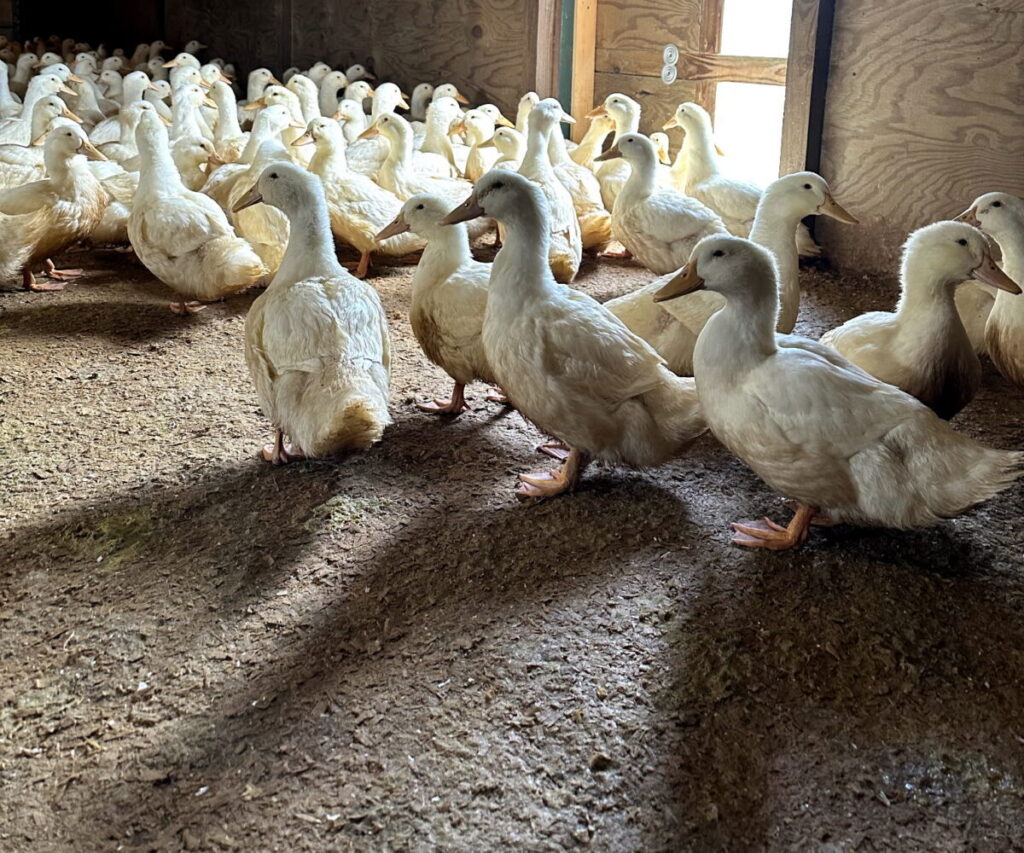
In late January, Crescent Duck Farm in Aquebogue confronted an outbreak of Highly Pathogenic Avian Influenza (HPAI) — bird flu. The farm’s operators and owner Doug Corwin had to humanely euthanize all of the live birds in the flock.
Its detection on a local farm thrust bird flu concerns back to the forefront. The risk to humans remained low, but those who maintained backyard flocks were told they should remain vigilant and take extra precautions to avoid exposing their birds.
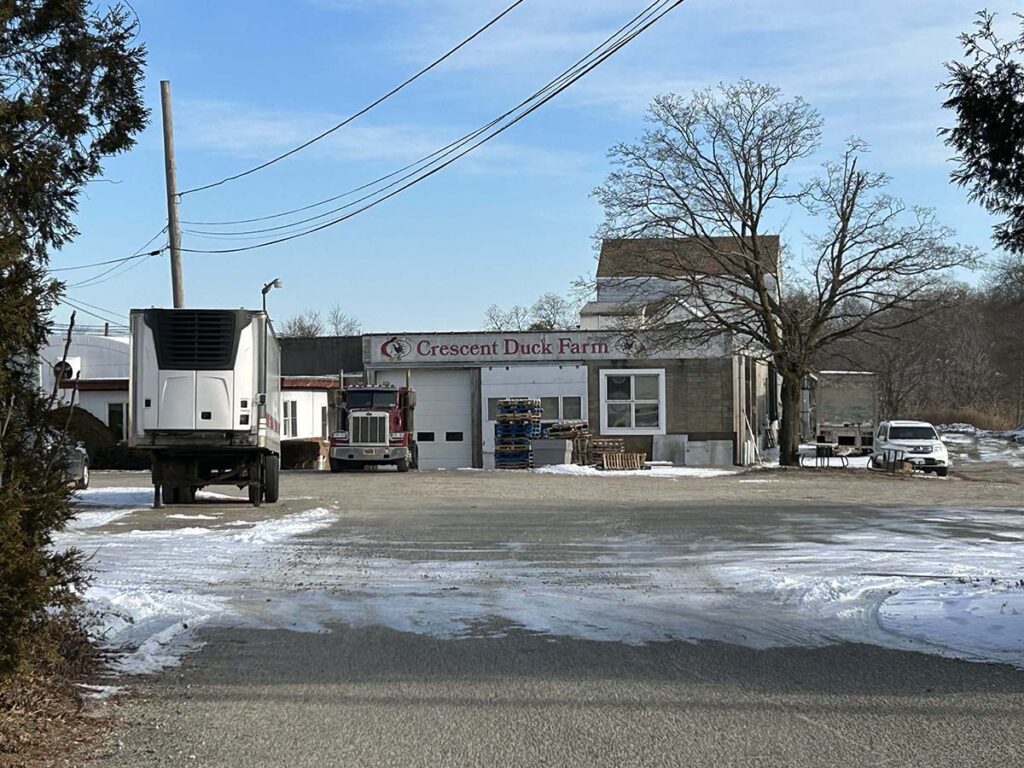
There was lots of speculation around town that Crescent Duck Farm would close. It lost between 80,000 and 100,000 eggs in the quarantine process. Eggs that were being cooled were deemed safe; they were cleaned in a chlorine solution and transported to an undisclosed, prepared location to begin incubation. All hopes rested on those eggs.
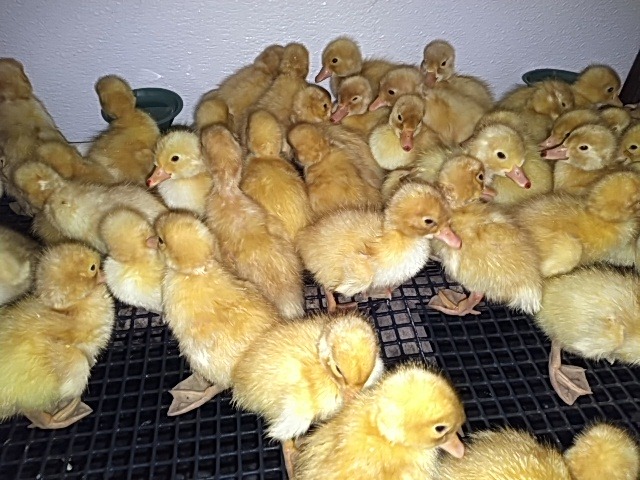
In February, about 3,700 ducklings hatched, split evenly between males and females. It was just enough to restart, but the females wouldn’t begin laying for another six months.
“I would have hoped for a lot more. Normally, 15,000 eggs would be 11,000 to 12,000 baby ducks instead of 3,700, but [the eggs] were older,” said Mr. Corwin. “This is enough for a second generation to get going. I’m pleased things are going to plan, so long as we keep them healthy.”
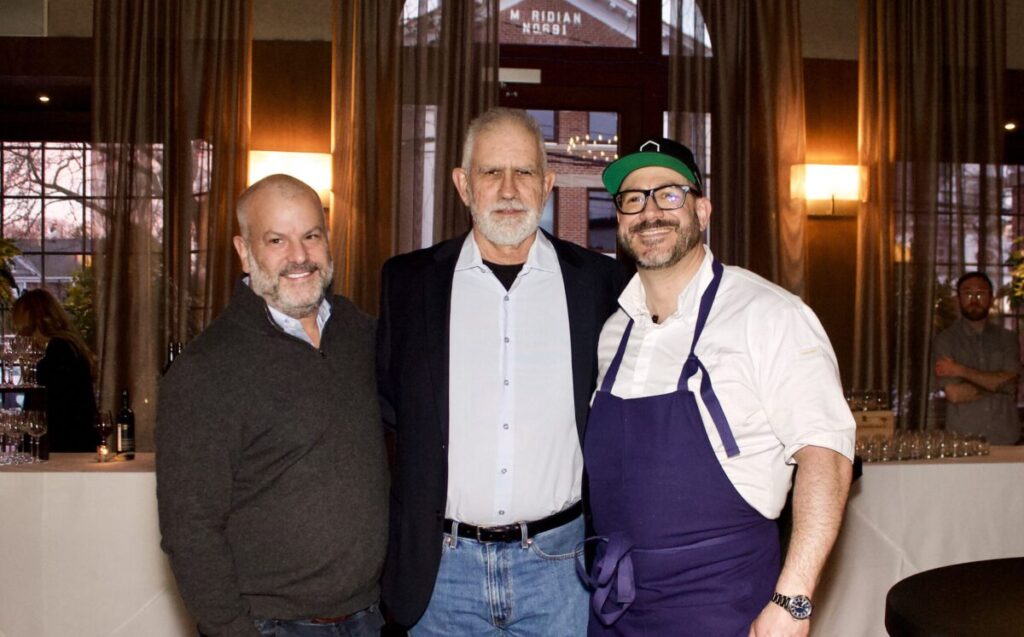
At the time of the flu outbreak, Mr. Corwin did everything he could to keep his farm workers employed. Support for the effort came in March when chefs and businesses from all over Long Island gathered at Teller’s in Islip for the Flock Together fundraiser, where over $50K was raised. The funds were distributed among Mr. Corwin’s staff, who had to be laid off in the wake of the bird flu.

In April, Crescent Duck Farm remained in quarantine, but was rebuilding.
“I’ve said all along it’s a very long road back. I’ve got two flocks of ducks that are 5 1/2, 6 weeks old; they’ve done fine,” said Mr. Corwin. “To me, the magic number is 24 to 26 weeks, when the ducks are going to start reproducing.”
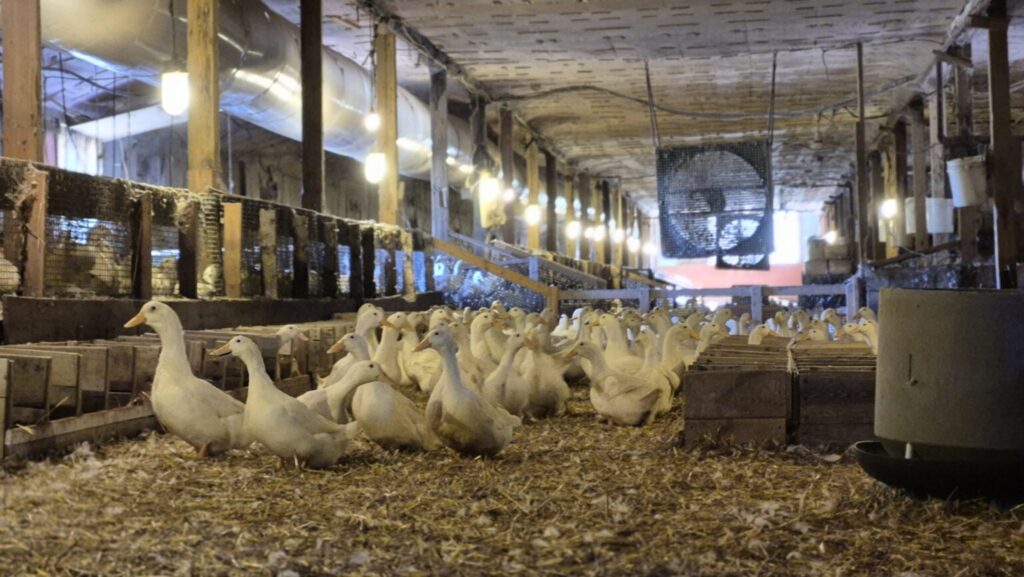
By mid-August, Crescent Duck Farm had taken another key step towards rebuilding when the first full clutch of new eggs went into the incubator.
“We are on mile nine of a 26-mile marathon,” Mr. Corwin. “I need to rebuild the flocks, which means I need to reproduce this first generation to get a second generation, which hopefully will have me in business by next June.”
Without enough work to be done, the 55 farm workers remained laid off. Mr. Corwin remains hopeful that he will be once again back to full operation.
“We’re very, very thankful for the community support, the political support and everyone that’s behind us,” said Mr. Corwin.