‘Forever chemicals’ found in vegetables from Long Island farm stands: study
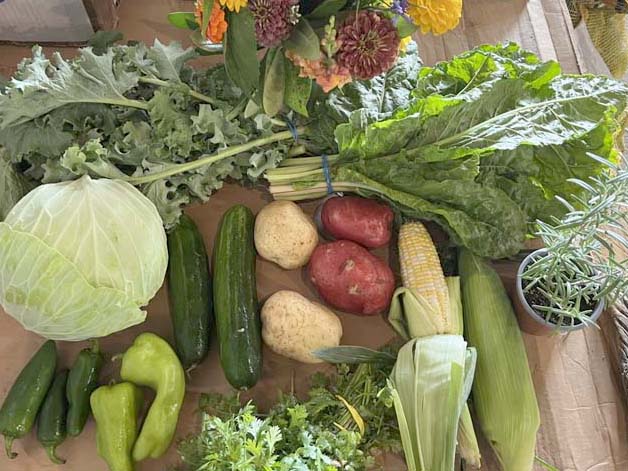
“Forever chemicals” known as PFAS — cancer-causing pollutants already found in Long Island groundwater — have been detected in vegetables purchased from farm stands across the North and South forks, according to a new study by Stony Brook University.
The study tested 23 samples of carrots, lettuce and beets purchased from unidentified farm stands in August 2025 and found varying levels of PFAS in all of them.
Researchers and environmental advocates stressed that the contamination is not caused by farming practices but reflects how widespread PFAS have become in the environment.
“This is not about farmers,” said Adrienne Esposito, executive director of Citizens Campaign for the Environment. “This particular chemical is insidious; it has become ubiquitous in our environment, and it is not as a result of practices being conducted by farmers.”
Tom Wickham — owner of Wickham’s Fruit Farm in Cutchogue, which traces its roots back to the late 1600s — said the chemicals are not the result of farming itself but may still be present in the broader environment.
“Inevitably, farming is part of the environment and, inevitably, there’ll be some of those compounds found even on farmland or on farm products,” Mr. Wickham said.
“There have been a number of scares of chemicals on produce and on farms used many, many years ago … and it really changed agriculture out here, but we came out of it actually stronger and better than we went into it,” he said.
PFAS have already been detected in North Fork groundwater.
The Suffolk Times reported last year that more than half of private wells tested in a section of Mattituck contained elevated levels of PFAS, with some samples measuring as high as 607 parts per trillion. New York State’s safe limit is 10 parts per trillion.
Bill Zalakar, executive director of the Long Island Farm Bureau, said it is still unclear where the contamination detected in the study originated.
One possible source discussed in the report is biosolids — treated sewage sludge sometimes used as fertilizer — but Mr. Zalakar said biosolids are not used on Long Island farms.
He also noted that some produce sold at farm stands may come from outside growers and distributors.
“The important thing is that the public does not get worried about their food,” Mr. Zalakar said. “We have to get to the root of the problem, which is the producers of these PFAS chemicals … but that’s going to be a real tough nut to crack.”
PFAS — short for per- and polyfluoroalkyl substances — are synthetic chemicals used for decades in products such as nonstick cookware, carpets and food packaging. The compounds do not break down naturally and can accumulate in the environment and the human body.
Exposure has been linked to prostate, kidney and testicular cancer as well as reproductive and developmental effects, according to the U.S. Environmental Protection Agency.
Environmental advocates say the findings highlight the need for stronger federal and state regulations on PFAS manufacturing and disposal.
During a March 5 presentation on the study — conducted by scientists from Stony Brook University and Wisconsin-based Lasee Research and Consulting — advocates urged the Environmental Protection Agency to regulate PFAS as a class of chemicals rather than addressing them one at a time. The next day, Ms. Esposito posted a video from a Costco showing how to find PFAS-free pans.
Kyla Bennett, science policy director for Public Employees for Environmental Responsibility, said PFAS contain extremely strong carbon-fluorine bonds that allow them to persist in the environment for decades.
“PFAS are synthetic; they’re all man-made,” Ms. Bennett said. “So wherever you see them, it’s because they were made. It’s contamination.”
Golden Earthworm Organic Farm, which operated in Jamesport for nearly 30 years before relocating to Vermont in 2023, addressed the findings in a Facebook post following the study.
“Healthy food begins long before harvest. It starts with the land itself,” the post read.
“Plants reflect the environment they’re grown in, and our choice to move our farm to Vermont several years ago was driven by our passion to find the cleanest, safest place possible to grow food for our family and our community.”