Burn ban begins Monday as wildfire risk rises
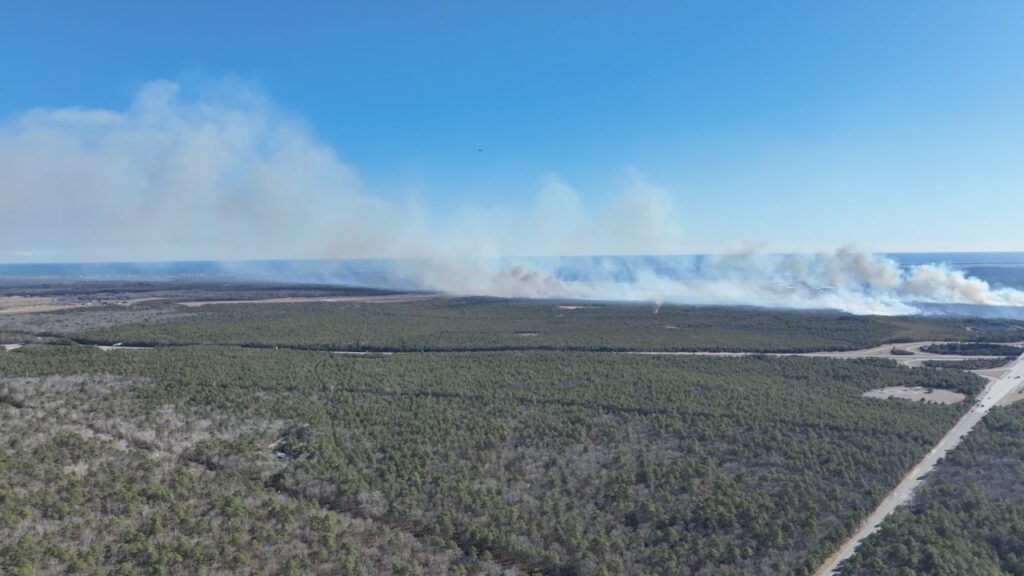
In preparation for warmer temperatures and a higher risk of wildfires, an annual statewide burn ban will begin on Monday and run through May 14.
The spring ban prohibits residents from burning vegetation or brush during these two months, according to the New York Department of Environmental Conservation, who has enforced the rule since 2009.
This includes burning leaves, yard waste or trash, as well as using burn barrels for solid waste incineration. Violators of the state’s open burning regulation are subject to criminal and civil enforcement actions, with a minimum fine of $500 for a first offense.
Properly contained small campfires and fires using charcoal or untreated wood are still allowed. Fire pits under 3 feet tall and 4 feet wide are also acceptable.
Ceremonial or celebratory bonfires, including the disposal of flags or religious items, are also permitted, as long as they are not otherwise prohibited by law or regulation. Open fires on agricultural land larger than 5 acres are not subject to the annual brush burning ban.
The fire danger risk level is currently low on Long Island. However, dead vegetation left behind after the snowmelt and lower humidity in the early spring can elevate the chances of a forest fire. Nearly 48% of all fire department-response wildfires occur during the ban’s time period, the DEC said.
According to the state Division of Forest Rangers, human activity causes 95% of wildfires in the state. Campfires, smoking, debris burning and incendiary fires are some of the most common causes.
Last year, more than 80 Long Island fire departments — including units from Riverhead, Greenport, Orient, Shelter Island and Cutchogue — responded to massive brush fires that were allegedly sparked during a Manorville family’s s’mores-gathering in their backyard. Flames blazed through the pine barrens between Center Moriches and Westhampton Beach. Strong winds and damage from the southern pine beetle contributed to the speed and extent of the spread, officials said at the time.
DEC officials urge the public to never leave fires unattended and to fully extinguish them when finished. Water or fire extinguishers should be nearby in case of an emergency. For more information the statewide ban and how to prevent wildfires and pollution, visit dec.ny.gov.