Check your trees: Laurel wilt confirmed on Long Island
Cornell University is hosting an information session Wednesday, Sept. 10, about laurel wilt, a fungal disease spread by the invasive redbay ambrosia beetle. The public is encouraged to attend and learn the symptoms and mitigation for this issue new to Long Island.
The first confirmed case for New York state was identified in Northport when a homeowner noted a dying sassafras on their property and sent samples to Cornell for diagnosis. The disease was then further confirmed by the U.S. Department of Agriculture’s Animal and Plant Health Inspection Service.
Originating in Asia and first identified in the U.S. in Georgia in 2002, the disease is deadly to plants and present in multiple southeastern states, with the northernmost cases prior to New York’s detection in Kentucky and Virginia.
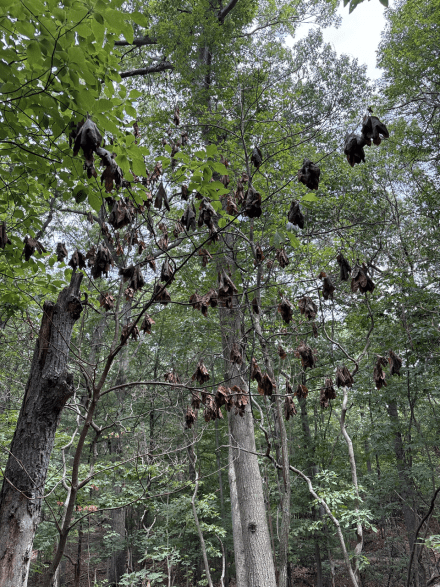
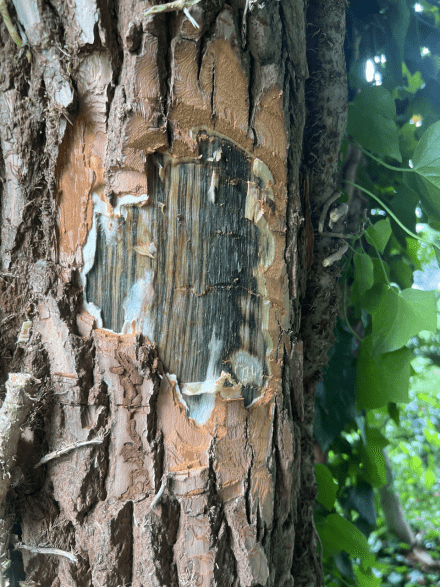
Laurel wilt is a fungal pathogen that kills trees and shrubs in the laurel family. The beetle introduces the fungus when it tunnels into the stems and branches of host plants, leaving behind the fungal spores. The native species at risk in New York are sassafras and spicebush. Despite its name, mountain laurel is not in this family and is not impacted by the disease.
According to the DEC, the loss of sassafras and spicebush could have wide-ranging impacts on southern New York’s forests and wildlife. Both species provide food and shelter for birds, pollinators and mammals. Spicebush berries are a critical fall food source for migratory birds, while the leaves of both spicebush and sassafras support the larvae of native butterflies such as the spicebush swallowtail. Their decline would reduce forest diversity, weaken natural food webs and increase native forest susceptibility to invasive plants.
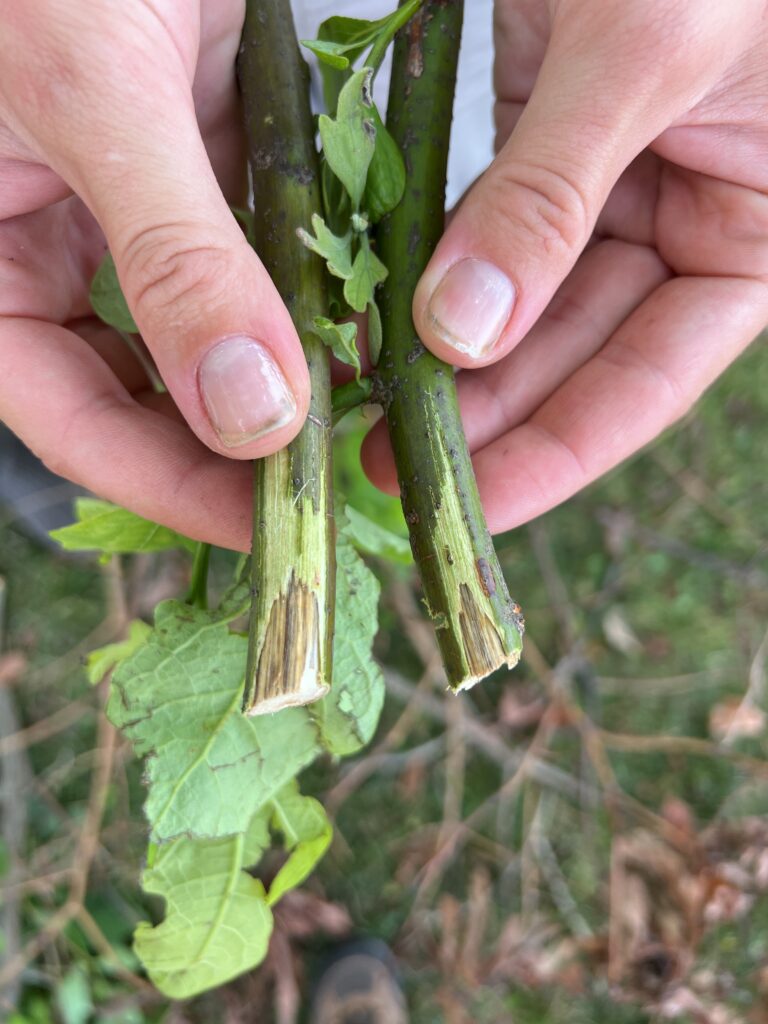
Laurel wilt causes rapid decline in sassafras and spicebush. Signs and symptoms to look for include sudden wilting of leaves; dark streaking of sapwood beneath the bark; and small entry holes on the branches, trunk, or roots, which are sometimes surrounded by fine sawdust-like “toothpicks” pushed out from the bark.
To learn more, visit the DEC Laurel Wilt webpage.