From L.I. college classrooms to historical fiction: Ex-professor Stephen Lewis releases new novel
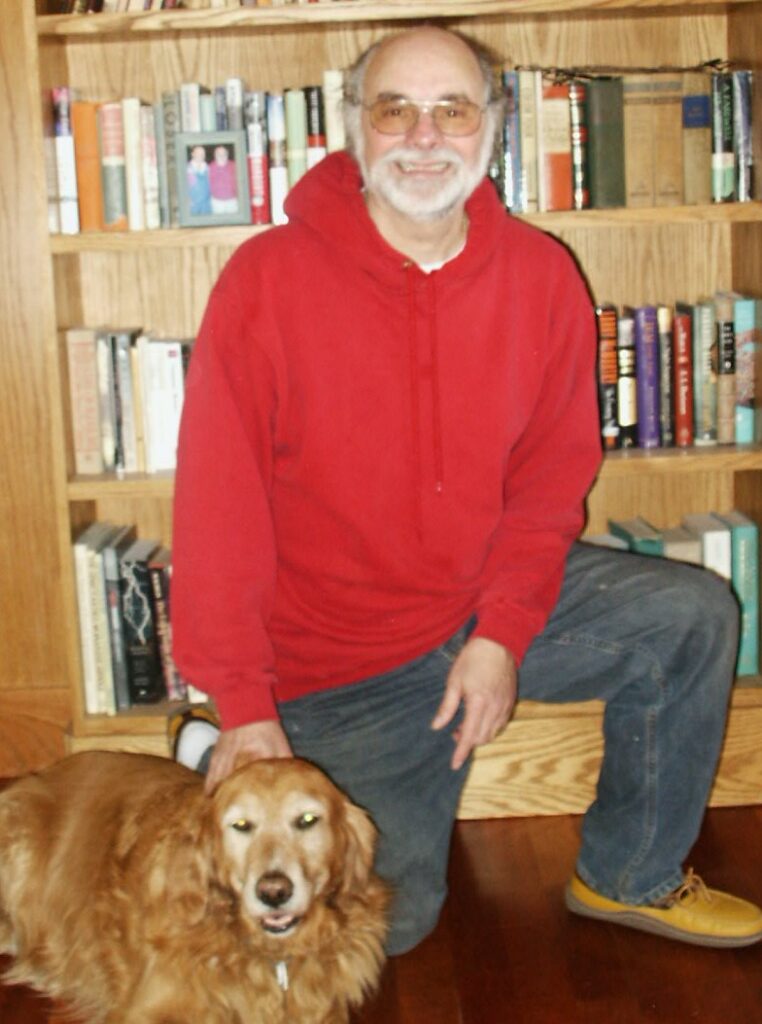
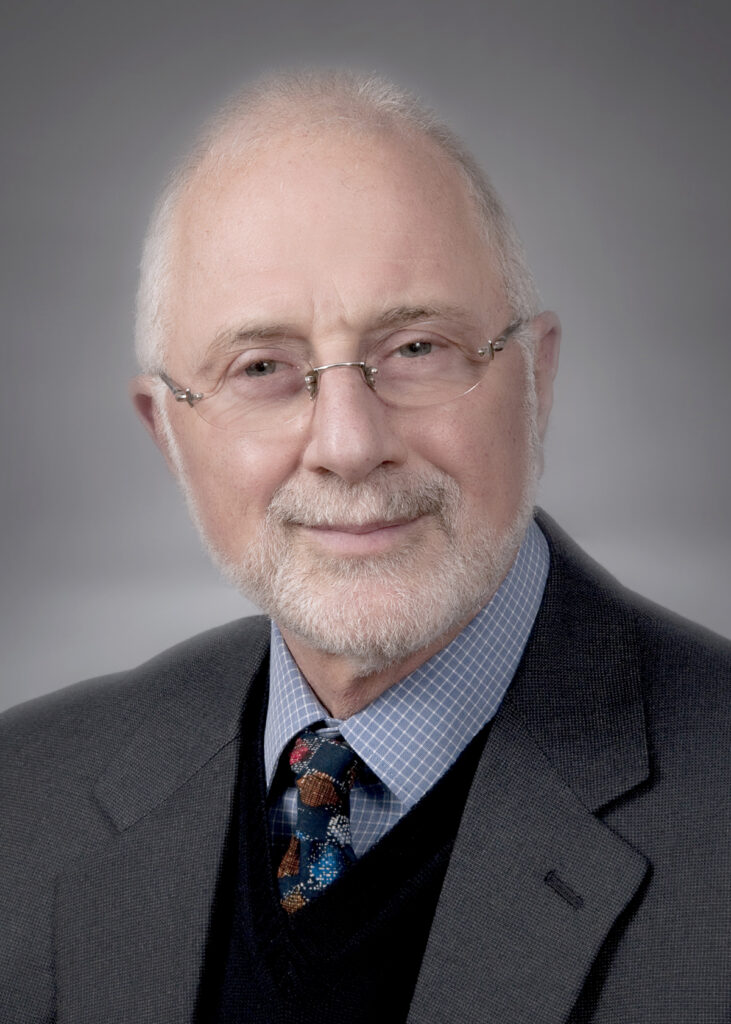
Longtime Suffolk County Community College professor and author Stephen Lewis often thinks about the breeze coming off the Atlantic Ocean — even from his home on a peninsula in northern Michigan.
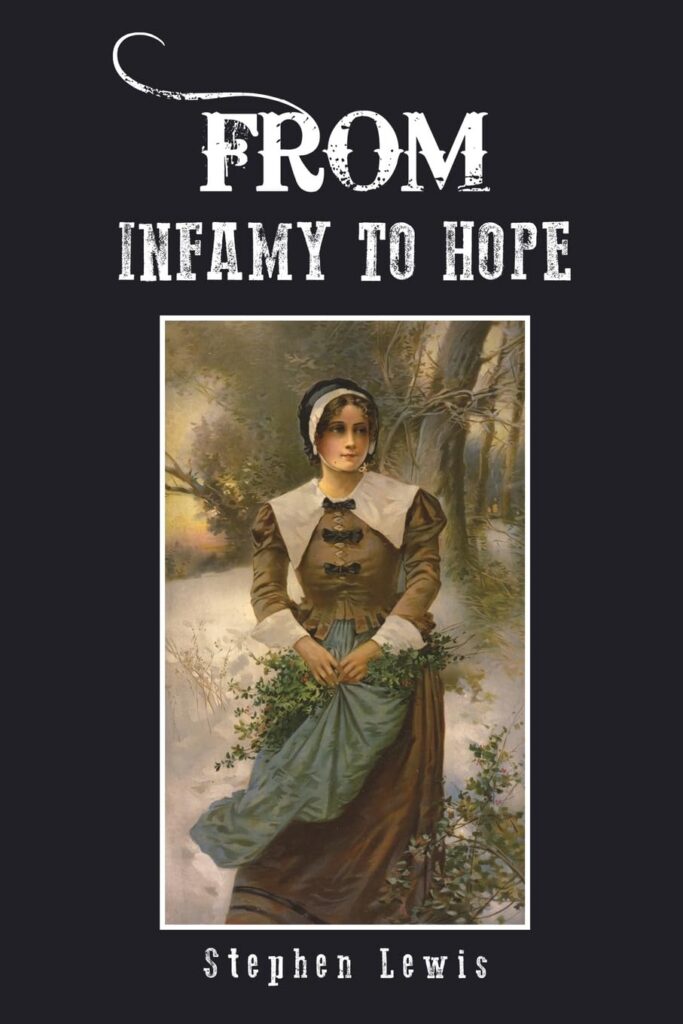
Now 83 and professor emeritus of English, Mr. Lewis has published 18 books, including 10 novels. His latest, ”From Infamy to Hope,” published by Austin Macauley, is a historical novel set in 17th-century Puritan Boston.
“Living as I do now on a peninsula that juts out into the quiet waters of Lake Michigan, I think back to the power and miss the grandeur of the ocean that roils in against the south shore of Long Island, reminding us of how small we really are,” Mr. Lewis said during a recent phone interview.
Originally from the Flatbush section of Brooklyn, Mr. Lewis spent 35 years at Suffolk County Community College’s Selden and Brentwood campuses, from 1966 to 2001, eventually serving as chairman of the Humanities Division.
“I was lucky to fall into it,” he said of being hired during a period of expansion at the college. “They were looking for more than half a dozen. Seven or eight of us got hired that first year.”
For Mr. Lewis, teaching and writing were never separate pursuits.
“I am profoundly a word person,” he said. “Reading it, producing it and teaching it — it’s all the same.”
His latest book draws from his academic specialty, Puritan American literature. Mr. Lewis earned his doctorate from New York University and has long been fascinated by Calvinism and the doctrine of predestination. The story opens with a young woman, Rachel Moore, forced to face both personal trauma and the moral structure of a society governed by strict Calvinist doctrine.
At SCCC, he believed the humanities were essential, especially in a community college setting. Literature, music, art and foreign language, he said, form the foundation of a broad education.
“It’s basic college education,” Mr. Lewis said. “The humanities give students exposure to things they may not have had much experience with before.”
As chairman, he helped develop the May Arts Festival, a community-focused event held each spring that brought residents onto campus. The festival featured demonstrations and performances, including ceramics and music, creating a space where the arts were visible and accessible.
“I proudly take responsibility for developing that,” he said. “It was a community-based event.”
Mr. Lewis describes himself as an “intuitive” rather than a “systematic” writer. “I don’t plan out what I’m going to do … I just write it as it comes,” he said. While some writers outline extensively, Mr. Lewis lets the story unfold. “I never wrote a thing in my life that way,” he said of rigid outlining — except for his doctoral dissertation, which required formal approval before he could begin.
While teaching full-time, Mr. Lewis wrote late at night. “That’s when I’m most alert,” he said.
His path to writing was not immediate. When he first entered college in the 1950s, he planned to study engineering during the Sputnik era. After a year, he realized his strengths lay elsewhere.
A summer English course changed everything. “The guy who taught it was so good,” Mr. Lewis recalled. “I said, ‘Hey, this is all right. I can enjoy this.'”
He switched majors, joined his college newspaper and eventually pursued a master’s degree and doctorate. Even as a student journalist, he learned how to adapt under pressure, once writing a last-minute concert review to fill a space before a paper went to print.
“If writing is in your blood, you’re going to have to find time to do it,” he said.
After retiring in 2001, Mr. Lewis moved to northern Michigan with his wife, Carolyn, who was from the area. Following her death, he remained there, continuing to write and reflect.
Still, Long Island holds a distinct place in his memory. When he speaks about it now, he returns not to classrooms or offices, but to the shoreline.
“The power and the grandeur of the ocean,” he said, “that’s what stays with you.”
Lan Zhan is a reporter with The SBU Media Group, part of Stony Brook University’s School of Communication and Journalism’s Working Newsroom program for students and local media.