Editorial: Staying safe in summer
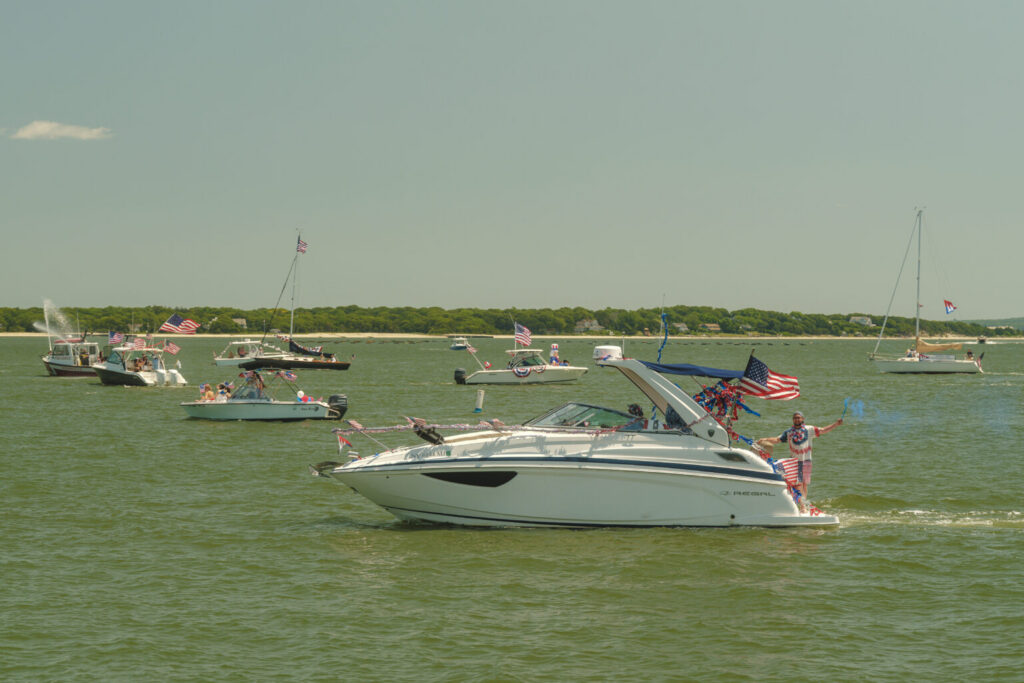
Along with this season of family, friends and fun come all the other things that make this time of year on the East End so memorable. And yet with the joys of summer come associated dangers.
Boating is at the top of the list of summer pleasures that can turn tragic.
In calendar year 2024, the Coast Guard verified 3,887 incidents that involved 556 deaths, 2,170 injuries and approximately $88 million in damage to property as a result of recreational boating incidents.
Alcohol accounted for nearly 20% of those accidents on the water. The Coast Guard found that the large majority of the fatalities were caused by drowning, and the sad and sobering statistic is that most of those who drowned were not wearing life jackets.
And another striking statistic: 81% of deaths in boating accidents occurred on vessels where the operator had not received a nationally approved boating safety education certificate.
Most of us who are on boats in the summer have probably seen vessels with far too many people aboard — in some cases including very young children. We should never forget July 4, 2012, when, in Oyster Bay, a 34-foot vessel loaded with 27 people out to watch the fireworks capsized, killing three children: a 12-year-old boy and two girls, ages 8 and 11.
We count on the ever-vigilant efforts of East End police departments’ marine patrols and bay constables to keep boaters safe, as officers on land do every day. But all of us have to do our part.
The National Safe Boating Council recommends these words to (literally) live by:
- Never boat under the influence.
- Take a boating safety course.
- Check equipment. Schedule a free vessel safety check with local U.S. Coast Guard Auxiliary or U.S. Power Squadrons.
- Wear a life jacket. Make sure everyone wears a life jacket — every time.
- Use an engine cut-off device — it’s the law. An engine cut-off device is a proven safety measure that stops the boat’s engine if the operator falls overboard.
- Keep a weather eye out. Always check the forecast before departing and during the trip.
- Know what’s going on around you at all times. Nearly a quarter of all reported boating accidents are caused by operator inattention or improper lookout.
- Know where you’re going and travel at safe speeds.
- Keep in touch. Have more than one communication device that works when wet.
For more go to safeboatingcampaign.com.
We are surrounded by water. We should enjoy the blessings of our location. But we also have to respect the water — and be smart.